

A new buzzword is sweeping through sales teams: Vibe Selling. Inspired by “vibe coding” where developers use AI to generate routine code it promises a future where salespeople simply “talk” to their data and tools to find opportunities. The appeal is undeniable: who wouldn’t want a conversational AI to handle the grunt work?
But here’s the multi-million dollar question: Is this a paradigm shift or a perilous oversimplification of what it takes to win enterprise deals?
Let’s cut through the noise. Vibe Selling is being dangerously misapplied, and confusing it for true sales intelligence is a recipe for lost revenue.
What actually is Vibe Selling ? A Tale of Two Approaches
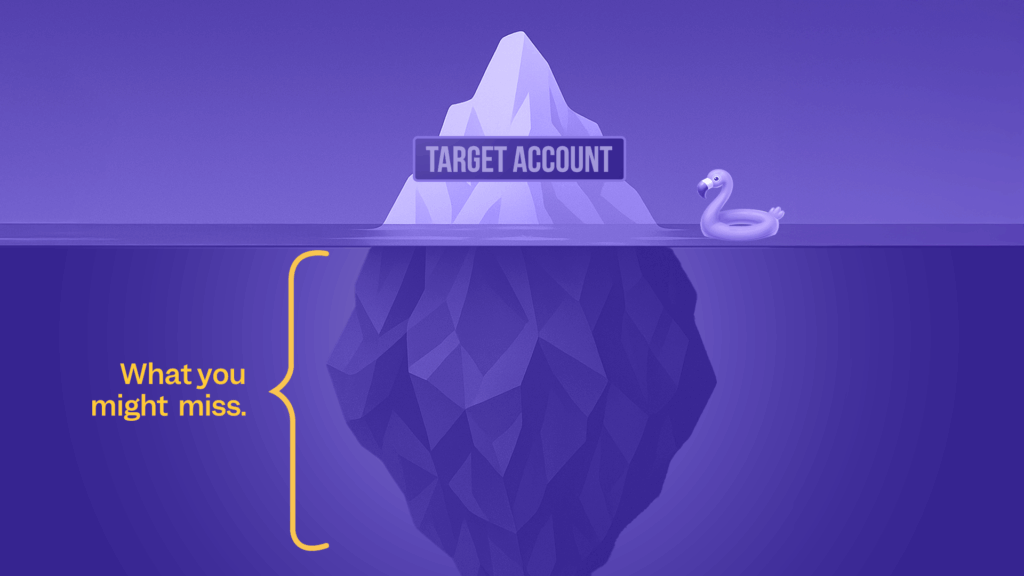
To understand its limits, we must first define its scope. The market is conflating two very different levels of sales intelligence:
| Vibe Selling (Surface-Level) | Intentional Selling (Strategic-Level) |
| Purpose: Automates repetitive, internal tasks. | Purpose: Conducts autonomous, external research to form strategy. |
| It Answers: “What did my customer say on the last call?” | It Answers: “What strategic pressures is my customer facing right now?” |
| Example: Summarizing a meeting transcript or drafting a generic follow-up. | Example: Researching a company’s hiring trends, tech stack, and strategic initiatives to identify a specific, unaddressed pain point. |
| Analogy: A fast intern who takes great notes. | Analogy: A seasoned market analyst who delivers a strategic briefing. |
Most of what is being called “Vibe Selling” falls squarely in the first column. It’s fantastic for efficiency, saving you time on administrative tasks. But it does nothing for the effectiveness of your ability to craft a winning strategy.
The Hard Truth: You Can’t “Vibe” Your Way to an Enterprise Deal

You can, and should, use Vibe Selling for operational tasks. This includes:
- Automating CRM data entry and updating deal stages
- Querying your call transcript database for specific keywords
- Generating first drafts of routine follow-up emails
- Summarizing the key points from a discovery call
But you cannot use it to answer the critical questions that make or break an enterprise deal:
- “The CFO seems hesitant. What is her primary driver, and how do I frame the ROI to address her unspoken concerns?”
- “We’re stuck in a competitive bake-off. What is our competitor’s likely weakness, and what unique value can I highlight to the technical committee?”
- “The champion has gone dark. What internal political battles or shifting company priorities could be causing the delay?”
When a complex, high-value deal is on the line, trust is built on a foundation of deep, specific insight, not generic, AI-generated platitudes. A “vibe” is no match for a well-researched point of view.
Consider this: A study by Gong.io reveals that high-performing sales reps are 4.7x more likely to use specific, contextual statements about the buyer’s business than average performers. Generic Vibe Selling cannot provide this context.
The Enterprise Trust Equation: Where Vibe Selling Fails
Enterprise trust isn’t earned by being the most efficient meeting scheduler. It’s earned by demonstrating a profound understanding of the client’s world. This requires intelligence that Vibe Selling simply cannot provide.
For enterprise trust, you need an approach that delivers:
- Deep, Autonomous Research: An AI that acts as a strategic analyst, investigating a company’s recent initiatives, leadership moves, and hiring signals to tell you why they might be buying now.
- Buyer-Centric Context: Intelligence that moves beyond company financials to understand the people on the buying committee, their personalities, communication styles, and potential blind spots.
- A Connected, Actionable Strategy: The ability to weave together the account context (what the company needs) with the people context (how the buyers think) to form a credible, personalized approach.
The Winning Strategy: Delegate Tasks, Not Thinking
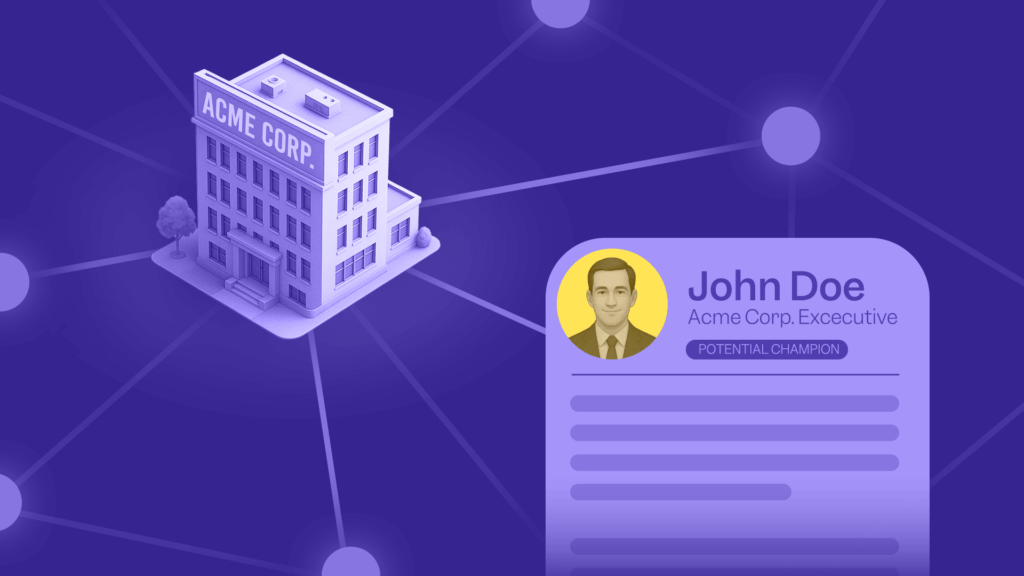
The best sales leaders are not luddites; they are strategists. They understand the powerful distinction between task automation and strategic intelligence.
- USE Vibe Selling for Efficiency: Automate CRM updates, summarize call transcripts, and generate routine follow-up emails. Reclaim those hours.
- APPLY Intentional Selling for Impact: Use tools that conduct autonomous account and buyer research. Arm yourself with insights that build credibility and demonstrate a tangible understanding of your customer’s challenges and goals.
The key isn’t that one is fast and the other is slow, it’s that one is superficial and the other is substantive. Both can deliver results quickly, but only one delivers the right results for enterprise deals.
Delegate the mundane to AI, but never outsource your strategic thinking. The time you save on administrative tasks should be reallocated to the high-value work that builds genuine enterprise trust.
In the end, vibes might get you a meeting, but only deep understanding will close the deal.